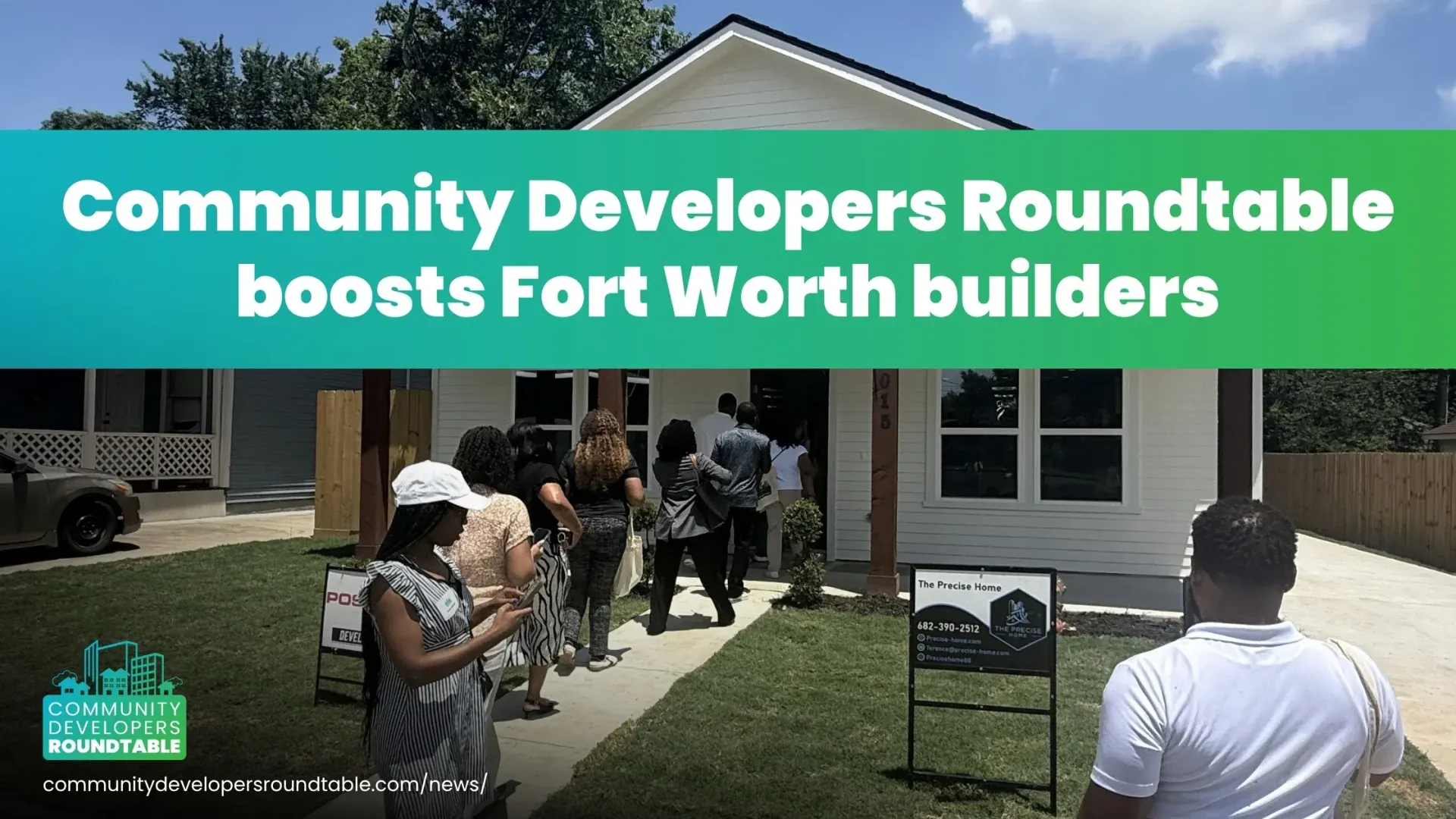

A new networking program aims to connect Fort Worth’s nonprofit and for-profit real estate developers with financial capital to build more affordable housing units.
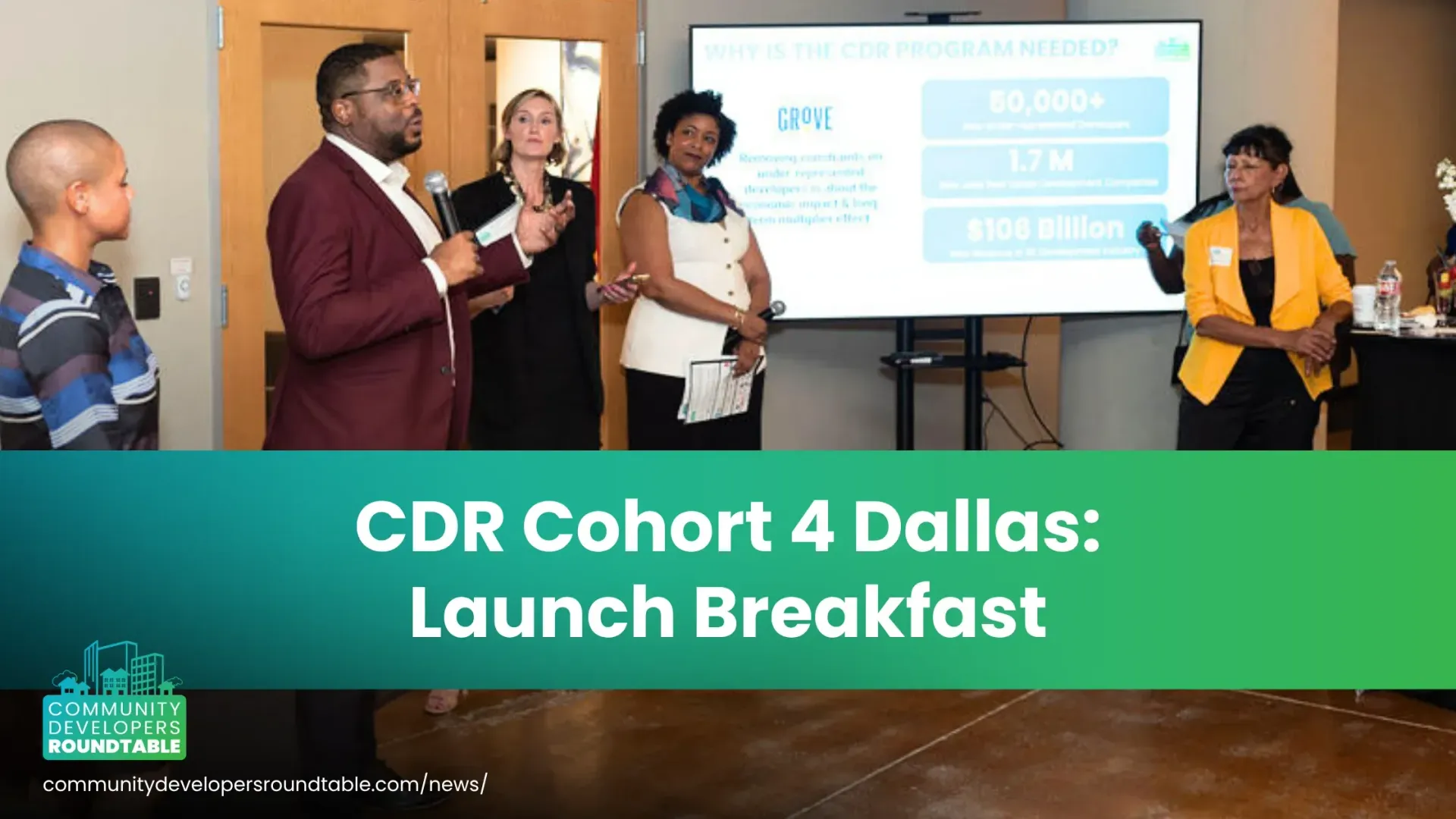
The Community Developers Roundtable, launched in Dallas in 2022, provides developers with access to capital, peer learning and strategic support.
Organizers of Fort Worth’s roundtable hope to replicate the success it had in Dallas, which resulted in nearly $125 million in development activities. That included 39 housing units built and more than $1.7 million in predevelopment and construction loans provided by financial partner BCL of Texas.
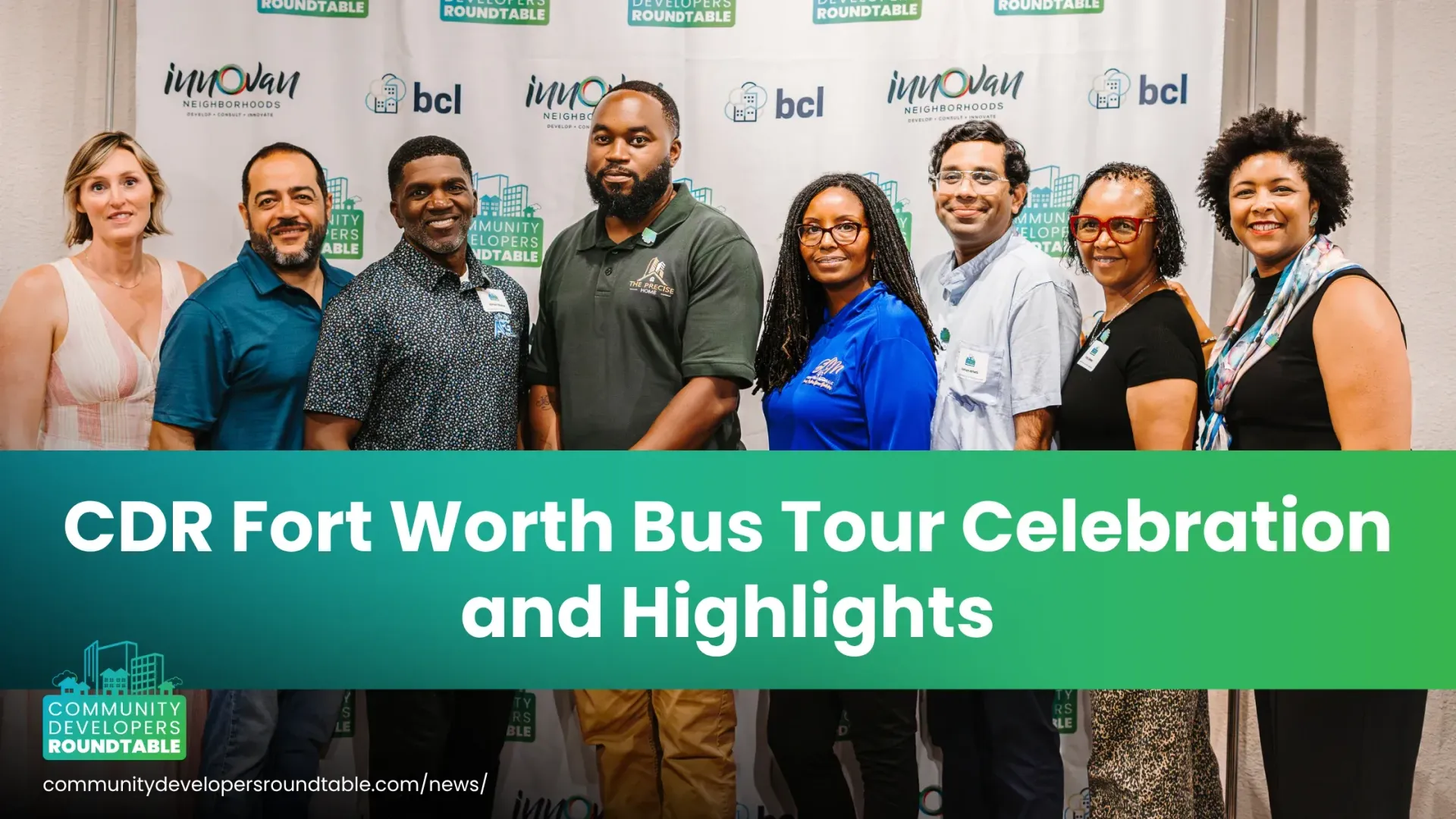
Organizers said they want to increase affordable housing and community-based amenities to revitalize neighborhoods through real estate projects. The nine-month program launched with a public presentation at Texas Wesleyan University on Aug. 28,
Maggie Parker, founder of Innovan Neighborhoods and the Community Developers Roundtable program, said the two-year Dallas pilot program equipped about two dozen local developers with resources, networks and capital to drive lasting impact.
“The Fort Worth expansion is about championing and empowering developers who understand the context of their neighborhoods, making them best positioned to build, revitalize and reinvigorate the places they call home, which contributes to the economic vitality of Fort Worth,” Parker said.
“The Fort Worth expansion is about championing and empowering developers who understand the context of their neighborhoods, making them best positioned to build, revitalize and reinvigorate the places they call home, which contributes to the economic vitality of Fort Worth,”
- Maggie Parker
Founder, Innovan Neighborhoods
Founder, Community Developers Roundtable
Program organizers gave presentations for the Fort Worth Chamber of Commerce, the Fort Worth Hispanic Chamber of Commerce, the Fort Worth Metropolitan Black Chamber of Commerce and the Real Estate Council of Greater Fort Worth.
The program’s developers are doing smaller, infill projects in areas that mean something to them since many larger developers aren’t interested in developments under 6 acres, Parker said.
“It’s actually a much-needed community of folks to support as it’s just this small (group) of developers,” she said.
Fort Worth currently doesn’t have a program to aid developers who want to tackle small-scale housing projects, she said.
Asheya L. Warren, CEO and founder of PRAXIS Strategic Consulting, a firm that works with real estate developers, nonprofits, and architectural and engineering firms, said the program can aid developers who are underrepresented in the construction industry.
The heart of the Community Developers Roundtable is to galvanize, share resources and collaborate so developers “are no longer on an island trying to deliver this work,” she said.
Eric E. Garcia is a senior business reporter at the Fort Worth Report. Contact him at eric.garcia@fortworthreport.org.
This article was first published in FortWorthReport.org. View the original article here.