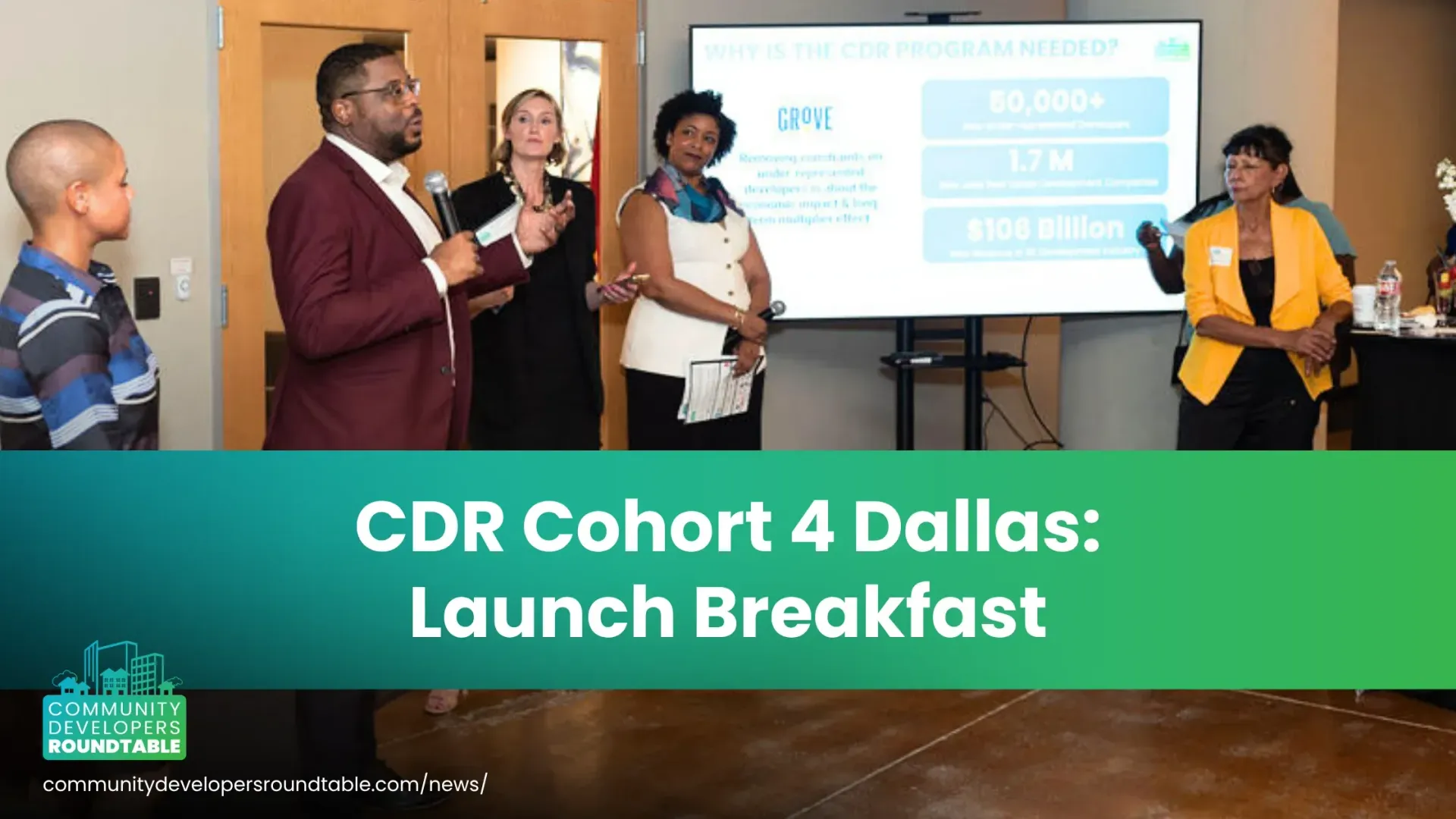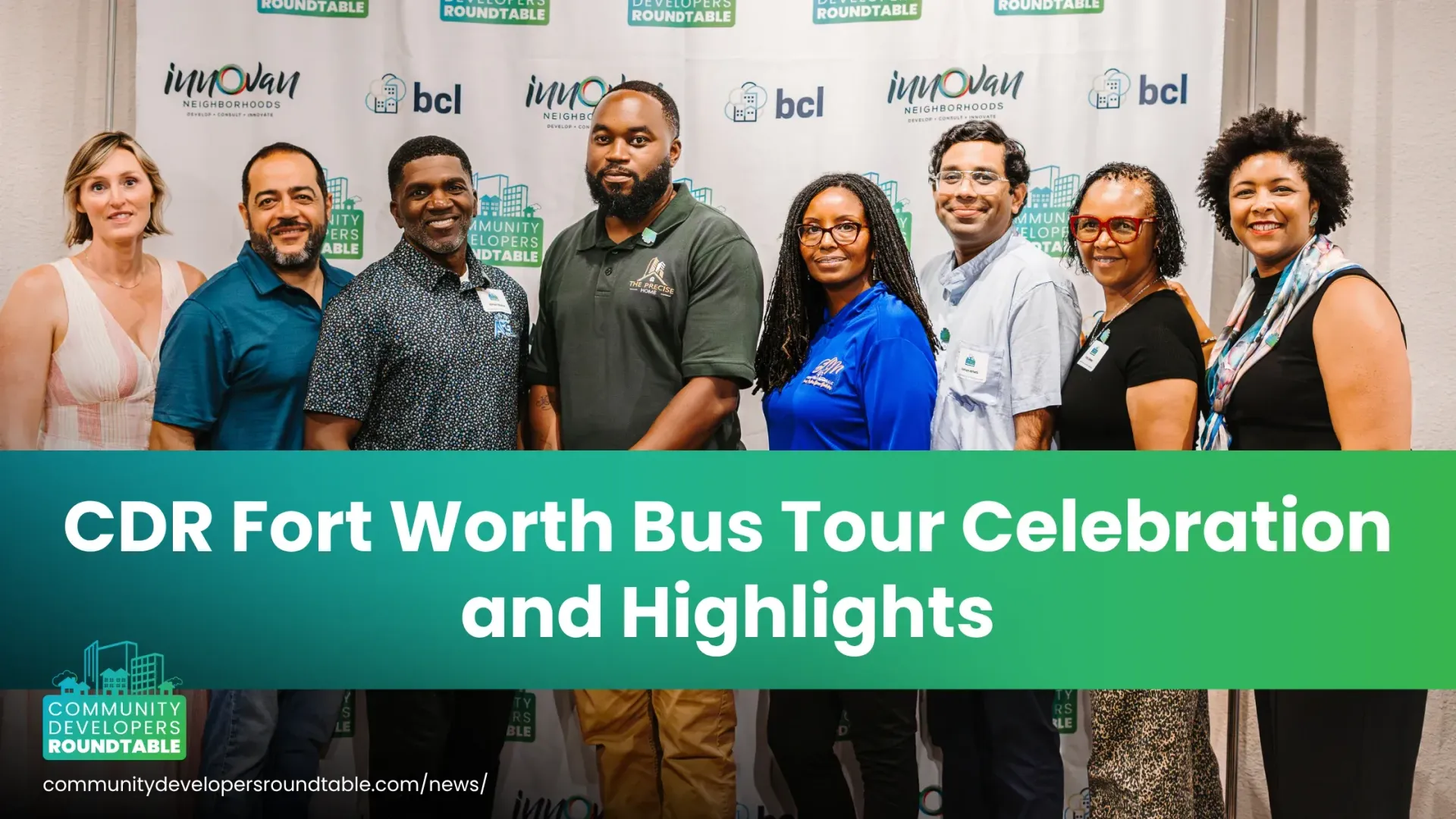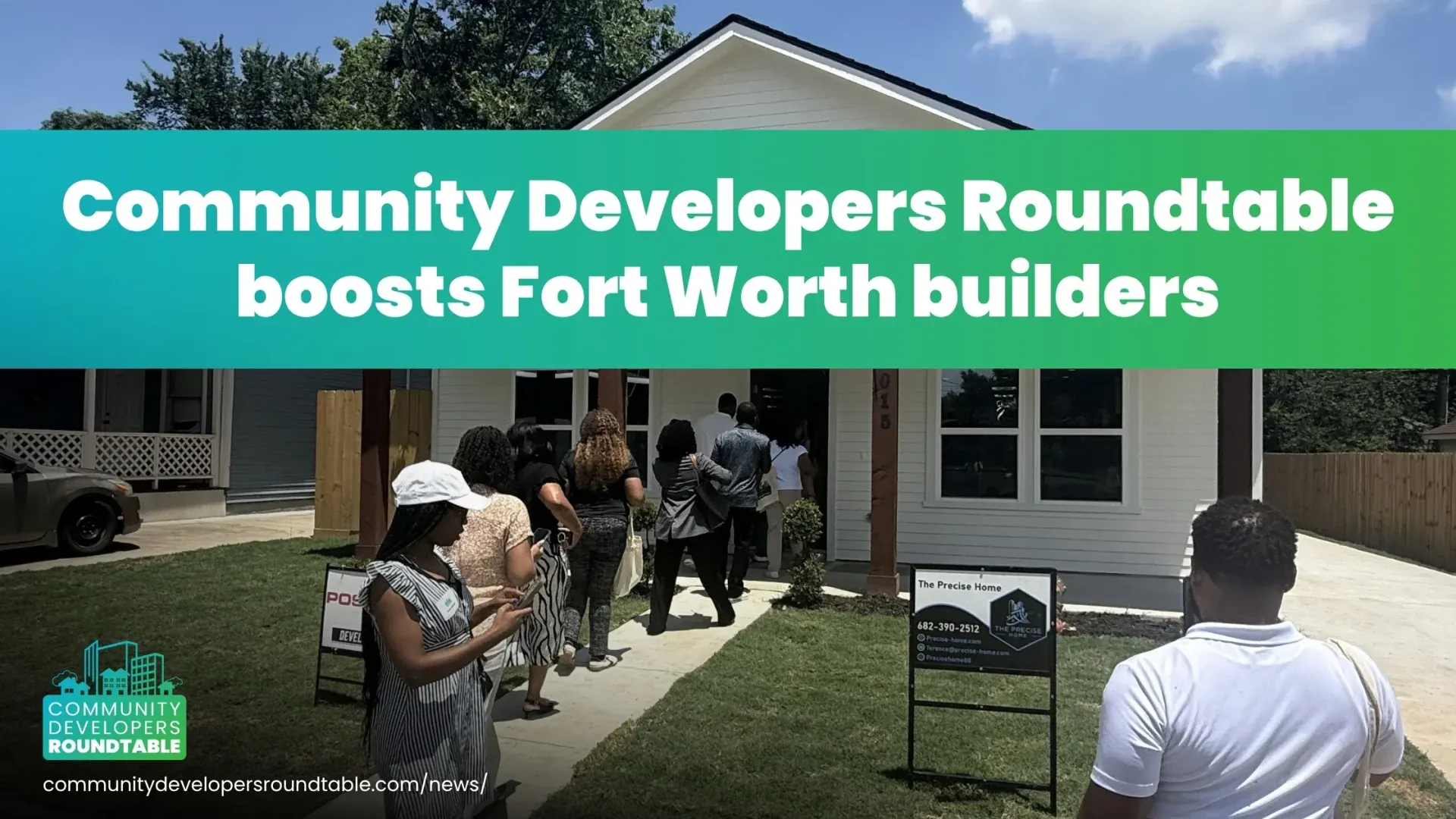




In this continuing series on real estate development in Southern Dallas, we introduce you to 15 real estate professionals in Innovan Neighborhood's Community Development Roundtable who aim to bring new life to long-neglected parts of Dallas.
Many people get into real estate for the potential financial rewards. But for Jay McIlveen, president of Five Star Properties, the returns come in more than dollars and cents. Since 2020, he’s been investing in property that he remodels into quality, affordable housing, full time.

His passion for real estate started as a side hustle and grew as he realized he had an opportunity to make a positive impact on people’s lives. “In 2002, I was working in corporate America and buying houses on the side, and I would either sell them or rent them out,” says McIlveen. At that time, he worked with a mix of clients, but when the market crashed in 2008, and he was still getting payments from his Section 8 tenants, he pivoted.

“Initially, that was a financial decision, but the benefit of getting consistent payments from the government means I have more flexibility to help people. A lot of people who are on Section 8 are single mothers, looking for a safe environment for their family,” said McIlveen.
He keeps this front of mind when rehabbing a property.
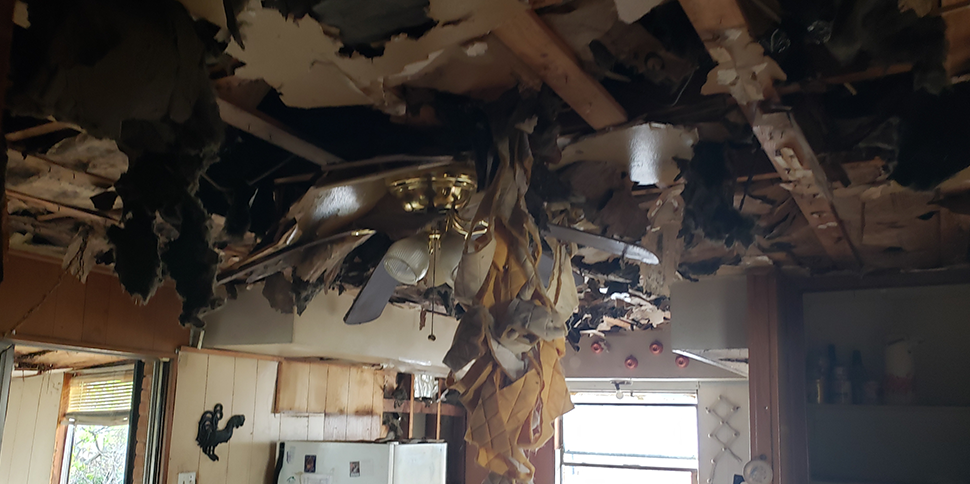
“Most of the houses we buy are in need of repair—they could be fire or flood damaged, or sometimes the former resident was a hoarder. These are structures that have become a blight on the neighborhood, but they’re still salvageable.”
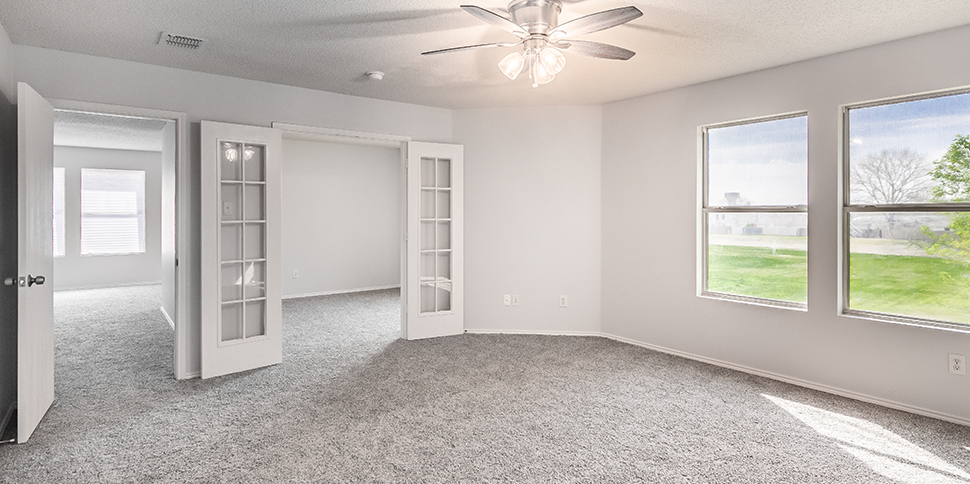
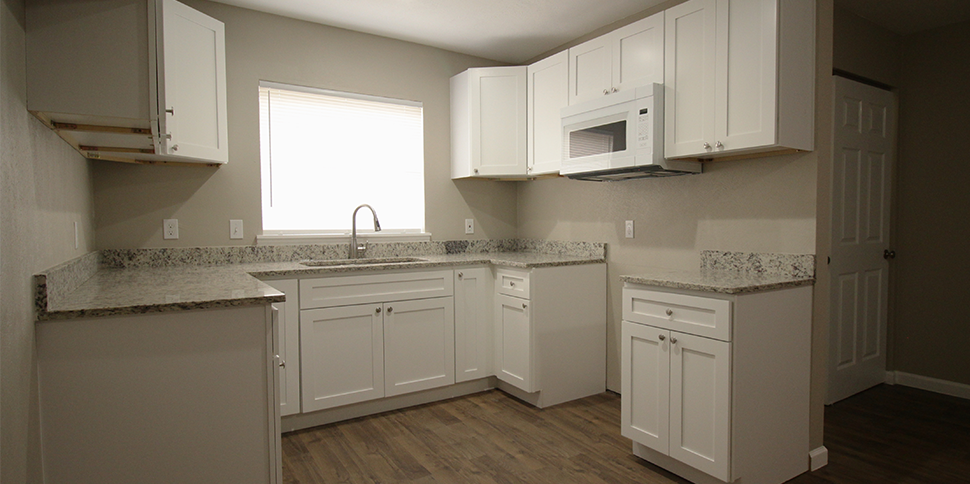
For Mcllveen, ‘salvageable’ doesn’t mean just getting them up to code—that’s table stakes. He’s creating housing that is affordable, move-in-ready, and a source of pride for those who live there. His approach has a multiplier effect on under-championed areas.
For example, while many landlords engage in tenant turnover and continue to raise prices, Mcllveen says most of his tenants stay for at least five years. One told him she wants to stay in her house forever. That kind of commitment impacts the whole area by turning it into a community, rather than just a zip code.
“She and her husband moved to a house near the zoo, which has a lot of revitalization happening now. But 16 years ago, it was a different story. I had several tenants come in and out before them, but when they moved in, they stabilized the property,” said McIlveen.
He got to know the couple well — even hiring the husband to do some work on other properties. When he passed away a few years ago, she couldn’t afford the rent on her own. McIlveen says property prices near the zoo have tripled in the past decade, but because of the relationship, he adjusted her monthly payment to one that she could afford.
“Yes, real estate has been profitable for me, but when I have a tenant tell me that she wants to stay in her home forever, that is invaluable.”
For Mcllveen, the biggest reward is being in a position to help people through some of life’s challenges while disproving misconceptions about Section 8 tenants.
“This idea that they don’t take care of your property is an unfortunate stereotype. In fact, I’ve rented to both people who do and do not qualify for Section 8, and the way they treat the property is based on the individual, not whether they are getting assistance,” said Mcllveen.
To date, Five Star Properties has purchased, rehabbed, and sold (or rented) more than 40 single-family homes. Currently Five Star has 15 single-family homes in its portfolio, and in 2023 Mcllveen was selected to join the second cohort of the Community Developers Roundtable.
He says joining the CDR has enabled him to keep growing as a developer and ultimately reach more people.
“It’s all about relationships, and the CDR has been great. For example, the classes that they host, and the doors that they open. For someone who works with housing authorities all over the Metroplex that operate with slightly different nuances, the CDR has helped me navigate and identify partner organizations that have similar missions and goals.”
For more stories on the Community Development Roundtable and its members, click here.
Voices contributor Nicole Ward is a data journalist for the Dallas Regional Chamber.