

Sam Ruben’s Mission to Empower Veterans Through Real Estate


Dallas real estate developer Sam Ruben is on a mission not just to build quality, affordable homes but also to teach service members how to get into construction and build wealth by leveraging their VA loans. She wishes she had been given this information.
“I was in the service for 13 years—they do not tell you about all of the benefits that you qualify for; there’s so much misinformation,” Ruben said.
In fact, a 2022 NPR story highlighted how the GI Bill in 1944, which helped a generation accumulate wealth and rise to the middle class, excluded Black veterans. And at the end of 2023, CNN produced a story about Navy Federal Credit Union approving less than half of Black borrowers. The investigation found that for the same type of loan, more than 75% of white applicants were approved.
Ruben says no one told her she could use her VA loan more than once, that she could have more than one at a time, and that it could be used to build a house or rehab one she already owns.
“I was on active duty for 12 of the 13 years I was in the National Guard. They moved me from city to city in different parts of South Austin, Houston, McAllen, and Brownwood. So had I utilized my VA loans to purchase property, I could have built up a single-family network of properties,” said Ruben. “Or I could have sold them and invested in other real estate ventures.”
Service members must live in homes financed with government-backed loans, but being moved around, like Ruben was, is common. With each move, the homeowner has the chance to either rent or sell the property. Over time, that can create a nice nest egg to use when returning to the civilian world.
“Let’s say they don’t want to go straight into work after they leave the military,” said Ruben. “They want time off with their family because they’ve been ripping and running for 13, 20, 25 years and want to be able to take a break. Their VA loan and their benefits will help them do that.”
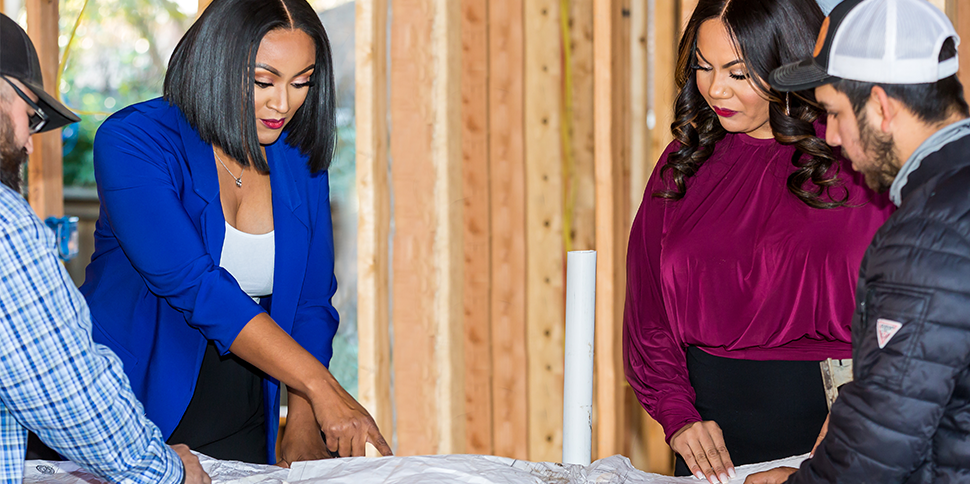
Through her company, Ruben Legacy Homes, she uses her own journey to teach veterans the nuances of financing and the benefits of knowing how to build things.
“When you’re in the military, you know military. You really don’t have a backup plan—and then when you get out, you’re lost.”
Ruben first picked up a hammer and started learning construction from a friend who served as her mentor. In the next five- to ten years, she wants to fill that role for up to twenty more veterans in one-on-one relationships. She also plans to restart her seminar series
(information about future classes can be found here), all while continuing to build new homes, either on her own or through partnerships.
She’s proud of making the pivot from serving in the military to serving veterans through real estate development, where she works to empower, educate, and provide resources—just like the Community Developers Roundtable does for her.
“The CDR has been a tremendous help in understanding contracts,” Ruben said. “For example, one class was taught by a lawyer who went into every aspect of what could go wrong in a partnership and the details needed in agreements to mitigate risk.”
The topic-focused classes complement networking opportunities that Ruben takes advantage of, and through this combination, she’s finding a way to make a difference in the lives of her “battle buddies” and the community at large.
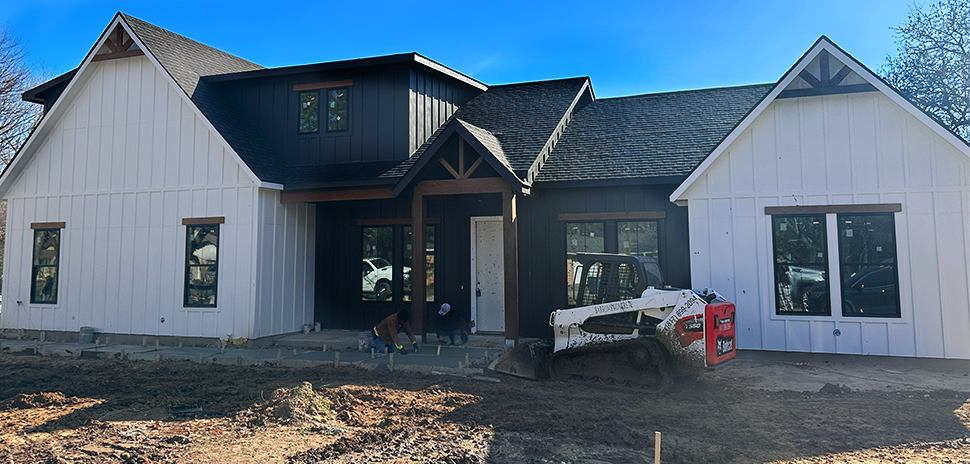
Recent endeavors include a single-family home for a veteran in Denton, where Ruben and the veteran worked together from land acquisition through construction; and a rental duplex in Terrell, where she’s collaborating with other veteran partners. This project marks the participants’ first investment property and construction job. Ruben is taking them step-by-step, teaching them skills they’ll take into the future — whether the job is an addition and cosmetic touches, a rebuild after fire damage, or a home built from the ground up.
When the construction talent pool contracts, the veterans Ruben has worked with rise to the top of the recruitment list because of their on-the-job training and their ability to stick to a schedule and follow orders. Combined with the financial savvy they demonstrate when selling the property financed by a VA loan, she knows she’s leaving a lasting impact on veterans in the region.
RUBEN LEGACY HOMES GALLERY
Photos courtesy of Sam Ruben.